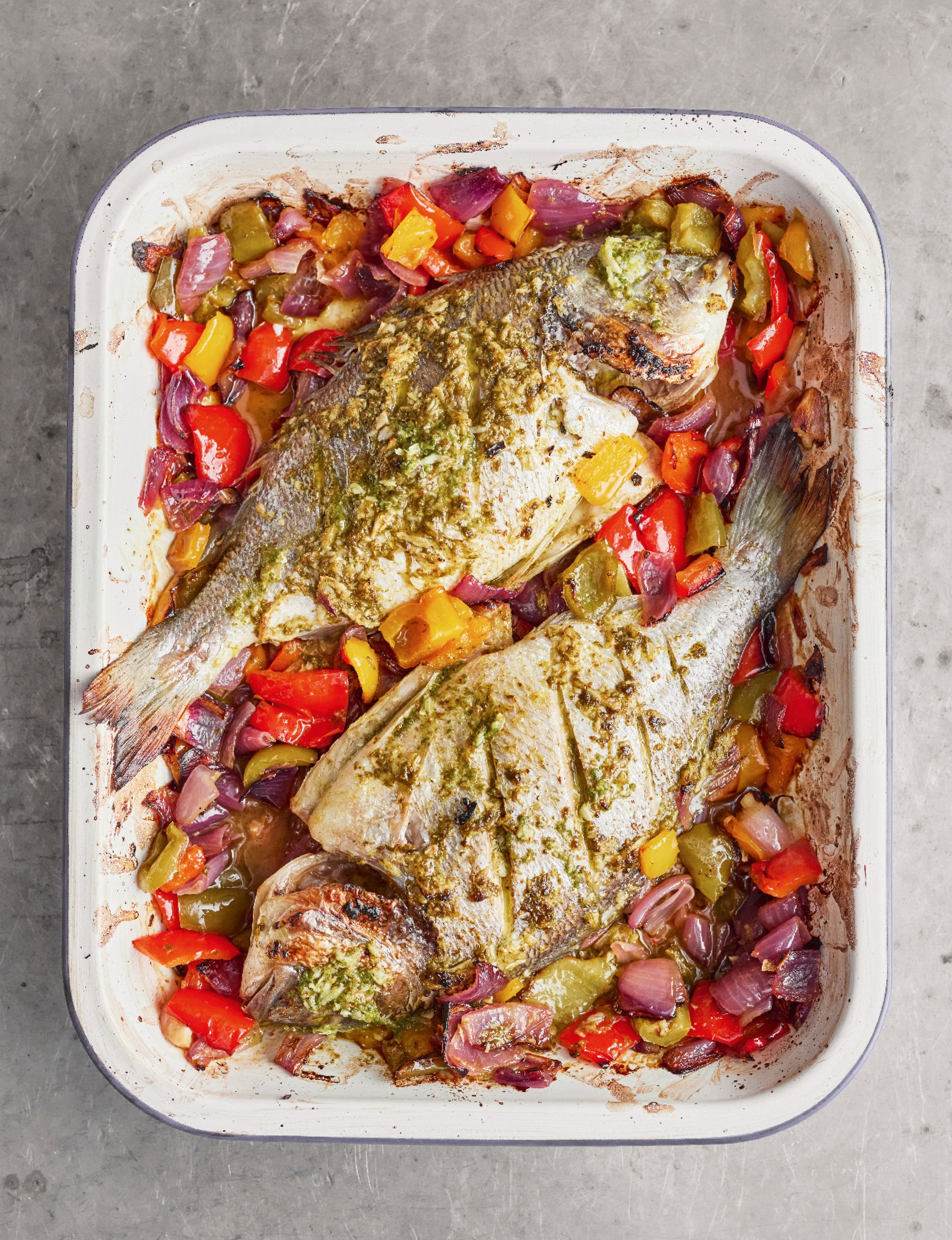
Cuban cuisine is renowned for its vibrant flavors, and few dishes exemplify this better than Cuban Mojo Fish. This sensational dish transforms simple fish into a culinary masterpiece, thanks to a zesty, aromatic marinade known as 'Mojo.' Far more than just a seasoning, the Mojo marinade infuses the fish with a delightful balance of tangy citrus, pungent garlic, and earthy herbs, creating a tender, incredibly flavorful experience that transports your taste buds straight to the Caribbean. Whether you're a seasoned chef or a home cook eager to explore new flavors, mastering the art of Cuban mojo fish promises a rewarding and delicious journey.
The Foundation: Selecting & Preparing Your Fish for Mojo Perfection
The journey to an unforgettable Cuban mojo fish dish begins with the star ingredient: the fish itself. Quality and freshness are paramount, as they directly impact both flavor absorption and cooking texture. When choosing your fish, look for varieties that are robust enough to hold up to the marinade's acidity and various cooking methods, yet delicate enough to truly soak up the vibrant flavors.
Choosing the Right Catch
- Snapper: A classic choice, offering a firm, flaky texture and a mild, slightly sweet flavor that perfectly complements the Mojo.
- Grouper: Known for its thick, firm flesh, grouper stands up beautifully to grilling and baking, flaking apart into tender, succulent pieces.
- Mahi-Mahi: This lean, firm-fleshed fish has a distinctive taste that pairs wonderfully with the citrusy marinade.
- Other Excellent Options: Don't limit yourself! Cod, sea bass, haddock, or even tilapia can be excellent choices, especially if you're looking for more budget-friendly alternatives. The key is fresh, high-quality seafood. Look for clear eyes, bright red gills (if whole), and a fresh, oceanic scent, not a strong "fishy" odor.
Preparing Your Fish for Maximum Flavor
Proper preparation ensures that every bite of your mojo fish is bursting with flavor. Here's how to get started:
- Rinse Thoroughly: Always rinse your fish under cold running water to remove any loose scales or debris.
- Gut and Scale (if needed): If you're working with a whole fish, ensure it's properly gutted and scaled. Most fishmongers will do this for you upon request, saving you time and mess.
- Whole vs. Fillets: Decide on your presentation. Whole fish can be visually stunning, especially for larger gatherings, and the bones can add extra flavor during cooking. Fillets, however, are far easier to eat and manage, making them ideal for everyday meals.
- Score the Skin (for whole fish): If cooking a whole fish, make 2-3 shallow diagonal cuts on each side of the fish, extending just through the skin into the flesh. These scores are crucial for two reasons: they allow the marinade to penetrate deeper into the thickest parts of the fish, and they help prevent the skin from tearing or curling during cooking, ensuring even crisping.
- Pat Dry: This step is often overlooked but incredibly important. Use paper towels to thoroughly pat the fish dry, both inside and out. Excess moisture can dilute the marinade and prevent a good sear or crispy skin if you're grilling or pan-frying. A dry surface also helps the marinade adhere better, ensuring maximum flavor infusion.
Crafting the Soul of the Dish: The Authentic Cuban Mojo Marinade
The true magic of Cuban mojo fish lies in its namesake marinade. "Mojo" (pronounced MO-ho) is a cornerstone of Cuban cuisine, a vibrant, garlic-and-citrus-based sauce that transforms everything it touches. While various Latin American countries have their own versions of garlicky sauces (like the Mexican "Mojo de Ajo" mentioned in our context), the Cuban Mojo is distinct, characterized by its bright acidity and aromatic blend. It doesn't just flavor; it tenderizes, making the fish incredibly succulent. To dive deeper into the nuances of this iconic sauce, you can explore The Zesty Secret: Crafting Authentic Cuban Mojo Fish Flavor.
The Essential Ingredients and Their Roles
A classic Cuban Mojo marinade is a symphony of simple yet powerful ingredients:
- Sour Orange Juice (Naranja Agria): This is the undisputed star. Its unique tartness with a subtle underlying sweetness is irreplaceable. If sour oranges are unavailable, a mix of ½ cup fresh orange juice and ½ cup fresh lime juice (or lemon juice for a sharper tang) is an excellent substitute, closely mimicking the sour orange's profile. The acidity is key for tenderizing the fish and carrying flavors.
- Garlic: No Cuban dish is complete without a generous amount of garlic. For our mojo, we're talking about 8-10 cloves, minced or crushed. The more garlic, the better the aromatic punch.
- Olive Oil: About ½ cup of good quality olive oil serves multiple purposes. It helps emulsify the marinade, carries the fat-soluble flavors, and contributes to the richness of the final dish.
- Fresh Oregano: 1 tablespoon of fresh chopped oregano (or 1 teaspoon dried) provides an earthy, peppery note that balances the citrus and garlic. While fresh is always best for vibrancy, dried can be used in a pinch.
- Cumin: A crucial spice in Cuban cooking, 1 teaspoon of ground cumin adds a warm, savory depth that is unmistakably authentic.
- Salt and Black Pepper: To taste, these foundational seasonings enhance all the other flavors.
- Optional Kick: For those who enjoy a little heat, ½ teaspoon of red pepper flakes can add a subtle warmth without overpowering the other ingredients.
Mixing Your Mojo Marinade
Making the marinade is straightforward:
- In a medium bowl, combine the sour orange juice (or your citrus mix), olive oil, minced garlic, chopped oregano, and cumin.
- Season generously with salt and black pepper. If using, add the red pepper flakes.
- Whisk everything together vigorously until well combined.
- Taste and adjust. This is your chance to ensure the balance is perfect. You might want more salt, a touch more citrus, or another pinch of cumin depending on your preference. Remember, this marinade is what will define your mojo fish, so make it sing!
Marination Magic: Infusing Flavor and Tenderness
With your fish prepped and your Mojo marinade ready, it's time to let the flavors truly meld. This marination step is where the magic happens, allowing the fish to absorb the vibrant notes of citrus, garlic, and herbs, while also benefiting from the tenderizing action of the acid.
The Marination Process
Place your prepared fish (whole or fillets) in a large resealable plastic bag or a shallow, non-reactive dish. Pour the freshly made Mojo marinade over the fish, ensuring every surface is thoroughly coated. If using a bag, press out as much air as possible before sealing it tightly. If using a dish, cover it securely with plastic wrap.
Optimal Timing for Flavor Infusion
Refrigerate the marinating fish for at least 30 minutes. This minimum time allows the surface of the fish to pick up the initial burst of flavor. However, for a truly exceptional Cuban mojo fish, aim for 2 to 4 hours of marination. This extended period allows the flavors to penetrate deeper into the flesh, resulting in a more robust and satisfying taste experience.
A Word of Caution: While marinating is essential, don't overdo it, especially with citrus-based marinades. Marinating fish for much longer than 4-6 hours, or overnight, can cause the delicate proteins in the fish to "cook" in the acid, resulting in a mushy or mealy texture. This is similar to ceviche, where acid denatures the proteins. Stick to the recommended timeframe for optimal texture and flavor.
If you're marinating whole fish or thicker fillets, remember to turn the fish occasionally during the marination period. This ensures that all sides are evenly exposed to the marinade, guaranteeing consistent flavor distribution throughout the fish.
Bringing it to Life: Diverse Cooking Methods for Your Mojo Fish
Once your mojo fish has bathed in its flavorful marinade, it's ready for its grand finale. One of the joys of Cuban mojo fish is its versatility; it can be prepared using a variety of cooking methods, each lending its unique character to the finished dish. To explore these methods in greater detail, check out Grill, Bake, Sear: Perfecting Your Cuban Mojo Fish Recipe.
1. Grilling: The Smoky Char
Grilling is a traditional and highly favored method for cooking mojo fish, imparting a wonderful smoky flavor and a beautiful char. It's perfect for whole fish or thicker fillets.
- Preparation: Preheat your grill to medium-high heat (around 375-400°F / 190-200°C). Lightly oil the grill grates to prevent sticking.
- Cooking: Place the fish directly on the oiled grates. Cook for about 5-7 minutes per side, depending on the thickness of your fish. Whole fish will take longer.
- Doneness: The fish is done when it has distinct grill marks, flakes easily with a fork, and reaches an internal temperature of 145°F (63°C).
- Pro Tip: To prevent sticking, ensure the grill is hot before placing the fish, and resist the urge to move the fish until it's ready to flip. A well-seared fish will release easily.
2. Baking: The Hands-Off Approach
Baking is an excellent choice for an even cook, minimal fuss, and retaining moisture. It's particularly good for whole fish or multiple fillets.
- Preparation: Preheat your oven to 400°F (200°C). Lightly grease a baking dish or line it with parchment paper for easier cleanup.
- Cooking: Place the marinated fish in the baking dish. You can pour any remaining marinade directly over the fish in the dish to infuse even more flavor and keep it moist.
- Doneness: Bake for 15-20 minutes, or until the fish is opaque throughout and flakes easily with a fork. Thicker cuts may require a few more minutes.
- Pro Tip: For extra moisture and to prevent the fish from drying out, you can loosely tent the baking dish with foil for the first half of the baking time, then remove it to allow the surface to lightly brown.
3. Pan-Searing: The Crispy Exterior
For those who love a golden, crispy skin or a beautifully seared crust on their fillets, pan-searing is a quick and delicious method.
- Preparation: Heat a few tablespoons of olive oil in a large, heavy-bottomed skillet (cast iron or stainless steel works best) over medium-high heat until shimmering.
- Cooking: Carefully place the fish fillets, skin-side down if applicable, into the hot oil. Avoid overcrowding the pan; cook in batches if necessary to ensure a good sear. Cook for 3-4 minutes per side until golden brown and cooked through.
- Doneness: The fish should be opaque in the center and flake easily.
- Pro Tip: Pat the fish very dry one last time before searing to achieve the crispiest skin possible. Don't move the fish too much during searing; let it develop a crust before flipping.
Other Methods
Beyond these primary methods, mojo fish can also be prepared via broiling for a quick, intense char, or even air frying for a healthier, crispy finish. Experiment to find your personal favorite!
Serving Suggestions & Pairing
Once your Cuban mojo fish is perfectly cooked, it's time to complete the experience. The bright, savory flavors of the fish pair wonderfully with traditional Cuban sides:
- Arroz congris: A classic rice and black bean dish.
- Tostones or Maduros: Fried green or sweet plantains offer a delightful textural and flavor contrast.
- Fresh Salad: A simple green salad with a light vinaigrette provides a refreshing counterpoint to the rich flavors.
- Yuca con Mojo: Steamed yuca drizzled with an extra garlicky mojo sauce is a fantastic accompaniment.
Garnish your mojo fish with fresh cilantro, parsley, or extra lime/orange wedges for a pop of color and an additional zing. For beverages, consider a crisp, light white wine like Sauvignon Blanc or Pinot Grigio, a refreshing mojito, or simply a sparkling water with a generous squeeze of lime.
Conclusion
Cuban Mojo Fish is more than just a recipe; it's an invitation to experience the heart and soul of Cuban flavors. From the careful selection of fresh fish to the art of crafting that iconic citrus-garlic marinade and finally, the diverse cooking methods that bring it all to life, every step contributes to a truly memorable meal. By following these guidelines and adding your personal touch, you'll be able to master this beloved dish, delighting your family and friends with an authentic taste of Cuba. So go ahead, gather your ingredients, and prepare to embark on a delicious culinary adventure with Cuban mojo fish as your guide!
